
Introduction to Brazil’s Utility-Scale Battery Storage Initiatives
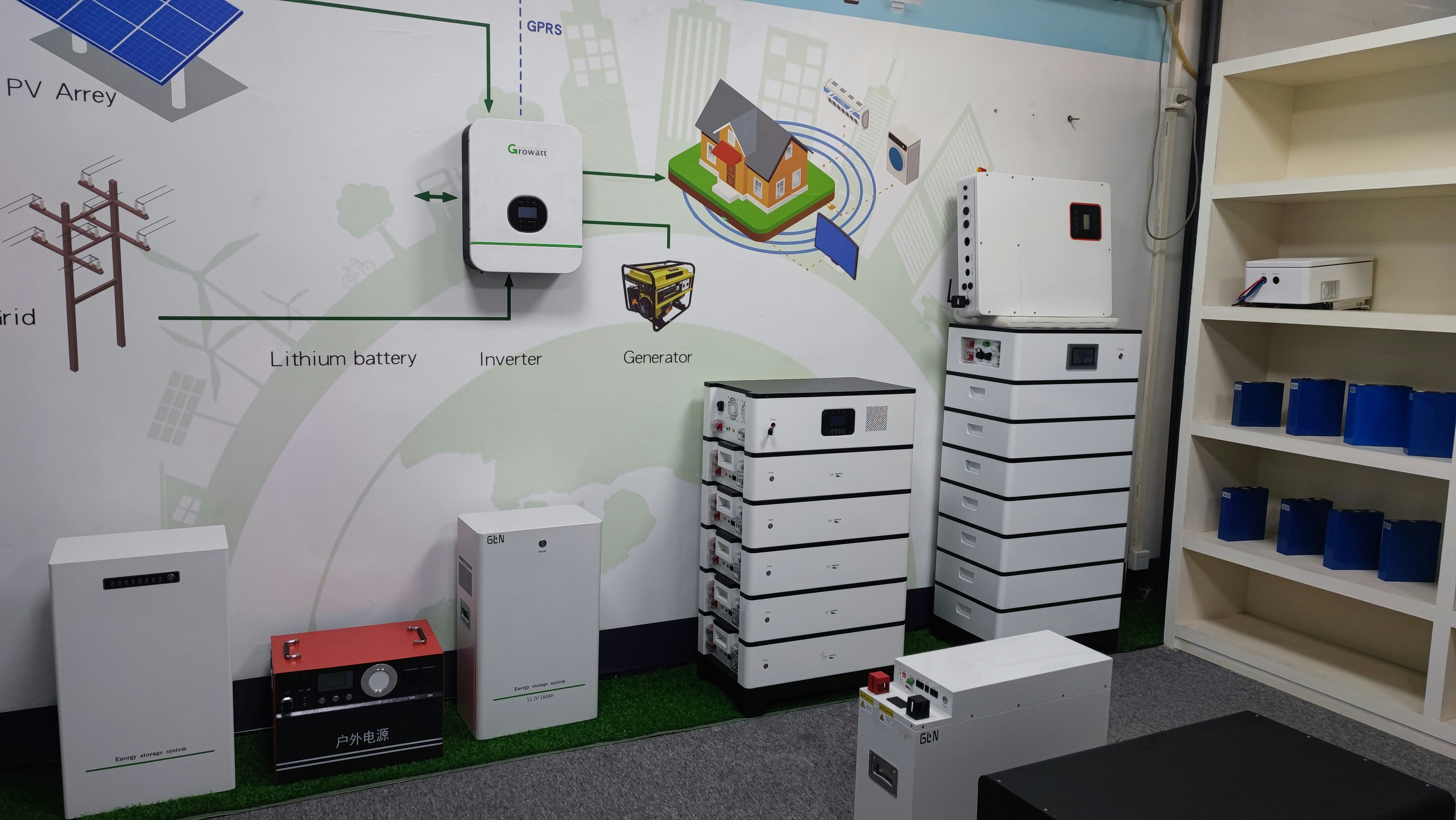
The energy landscape in Brazil has undergone significant transformations in recent years, driven primarily by a growing demand for sustainable energy solutions. This shift is particularly evident in the increasing prominence of utility-scale battery storage systems, which have emerged as critical components for the integration of renewable energy sources within the grid. Utility-scale battery storage encompasses large-scale battery installations designed to store energy generated from renewable sources, such as solar and wind, for use during periods of high demand or low production.
In Brazil, the introduction of government-backed auctions reflects a commitment to integrating utility-scale battery storage into the national energy strategy. These initiatives aim to bolster the reliability and resilience of the electricity grid while facilitating the transition to a greener energy mix. By deploying advanced battery technology, the government seeks to address the intermittent nature of renewable energy sources, thereby enhancing the overall stability of energy supply.
Moreover, utility-scale battery storage systems play a vital role in managing energy supply and demand effectively. They allow for the optimization of energy distribution by storing excess energy generated during peak production times and discharging it when demand exceeds supply. This capability is particularly crucial given Brazil’s dependence on hydropower, which can be vulnerable to seasonal fluctuations. As the country expands its renewable portfolio, the need for strategic energy storage solutions becomes even more pronounced.
In essence, the recent government-backed auction signifies not only a potential boost for Brazil’s renewable energy sector but also underscores the importance of utility-scale battery storage initiatives in achieving a sustainable energy future. As Brazil continues to make strides in this area, it sets a precedent for other nations seeking to navigate the complexities of energy transition and climate resilience.
Key Features of the Auction and Its Value Proposition
The recent announcement of Brazil’s first government-backed utility-scale battery storage auction marks a significant development in the country’s energy landscape. This auction is designed to harness a target capacity of up to 1 gigawatt (GW), establishing a solid framework for integrating renewable energy sources into the national grid while addressing fluctuations in energy supply. The scale of this initiative not only promotes increased energy reliability but also paves the way for the expansion of clean energy technologies within Brazil.
One of the most noteworthy aspects of this auction is its long-term contract term of 20 years, which offers a robust level of stability and predictability for both investors and project developers. This extended duration is particularly attractive in the inherently volatile energy market, where price fluctuations can pose significant challenges. By providing longer-term revenue assurance, this strategic approach aims to encourage investment in energy storage solutions, thereby supporting the overall shift toward renewable energy adoption.
Additionally, the government guarantee attached to this auction serves as a powerful risk mitigation tool for stakeholders. By underlining fixed revenue mechanisms, it minimizes exposure to potential market volatility, allowing participants to operate with greater confidence. This assurance is vital in drawing investment into the battery storage sector, as it alleviates concerns regarding the return on investment amid uncertainties commonly found in energy markets.
Ultimately, the combination of these key features—target capacity, long contract term, government backing, and fixed revenue assurances—establishes a compelling value proposition. This initiative not only enhances Brazil’s energy independence but also represents a strategic move towards an increasingly sustainable energy future.
Strategic Highlights: Government Guarantee and Risk Mitigation
The recent utility-scale battery storage auction in Brazil marks a significant milestone, bolstered by the Brazilian government’s commitment to offering guarantees through long-term contracts known asContrato de Remuneração de Capacidade (CRCAP). This initiative is designed to foster investor confidence and create a robust low-risk investment atmosphere, mitigating concerns regarding market instabilities and the variability associated with energy dispatch. The CRCAP contracts provide a fixed annual revenue stream, offering a critical safeguard against the usual fluctuations observed in energy markets.
By backing this auction with government guarantees, Brazil effectively reduces the perceived risks that accompany investments in emerging technologies like battery storage. Investors can expect a securitized return over an extended period, which significantly enhances the attractiveness of these projects. Such a stable revenue model acts as a catalyst for private sector involvement, encouraging collaboration on innovative energy solutions that align with national policy goals.
Furthermore, the auction is strategically positioned within Brazil’s energy policy framework, which focuses on sustainability and the diversification of energy sources. The initiative is not merely about immediate gains; it reflects a broader governmental objective to transition towards a more resilient energy system that can adapt to future demands and environmental challenges. By prioritizing energy transition and storage solutions, Brazil is laying the groundwork for an energy strategy that can better respond to both domestic needs and international commitments related to sustainability and greenhouse gas reductions. These strategic highlights underline the auction’s role in shaping a sustainable energy future in Brazil, promoting a balanced approach to energy generation and consumption.
Engagement and Opportunities for Investors and Stakeholders
The recent auction for utility-scale battery storage in Brazil, supported by governmental initiatives, has opened up significant avenues for both investors and stakeholders in the energy sector. This landmark event not only underscores Brazil’s commitment to enhancing its renewable energy portfolio but also demonstrates a strategic pivot towards more sustainable energy solutions. The operational landscape is characterized by coordinated efforts from Brasília, offering clear pathways for direct engagement with essential regulatory bodies such as ANEEL (Agência Nacional de Energia Elétrica) and the Ministry of Mines and Energy.
Investors will find that this environment, bolstered by stable governmental support, presents an attractive investment landscape. The regulatory framework established by the auction fosters transparency and encourages innovative financing models that mitigate risk. Additionally, the emphasis on utility-scale battery storage positions investors to benefit from the growing demand for energy storage solutions as Brazil seeks to integrate more variable renewable energy resources into its grid.
Engaging with key regulatory bodies directly can facilitate a better understanding of the market dynamics and operational requirements, thus enhancing the ability of investors to navigate this evolving sector effectively. Collaborative ventures and public-private partnerships may emerge as favorable strategies for exploring the commercial potential inherent in Brazil’s renewable energy initiatives. Stakeholders are encouraged to leverage their expertise and resources to contribute to the development of sustainable energy infrastructures that not only support governmental objectives but also yield substantial returns on investment.
In the ever-evolving landscape of energy production and distribution, the utility-scale battery storage auction marks a pivotal moment for Brazil. Investors and stakeholders who wish to capitalize on this unique opportunity are advised to explore avenues for engagement, fostering a synergy that aligns governmental goals with innovative investment strategies, driving Brazil towards a more sustainable and resilient energy future.